Typographics Art · open source
ASCII art for the age of AI.
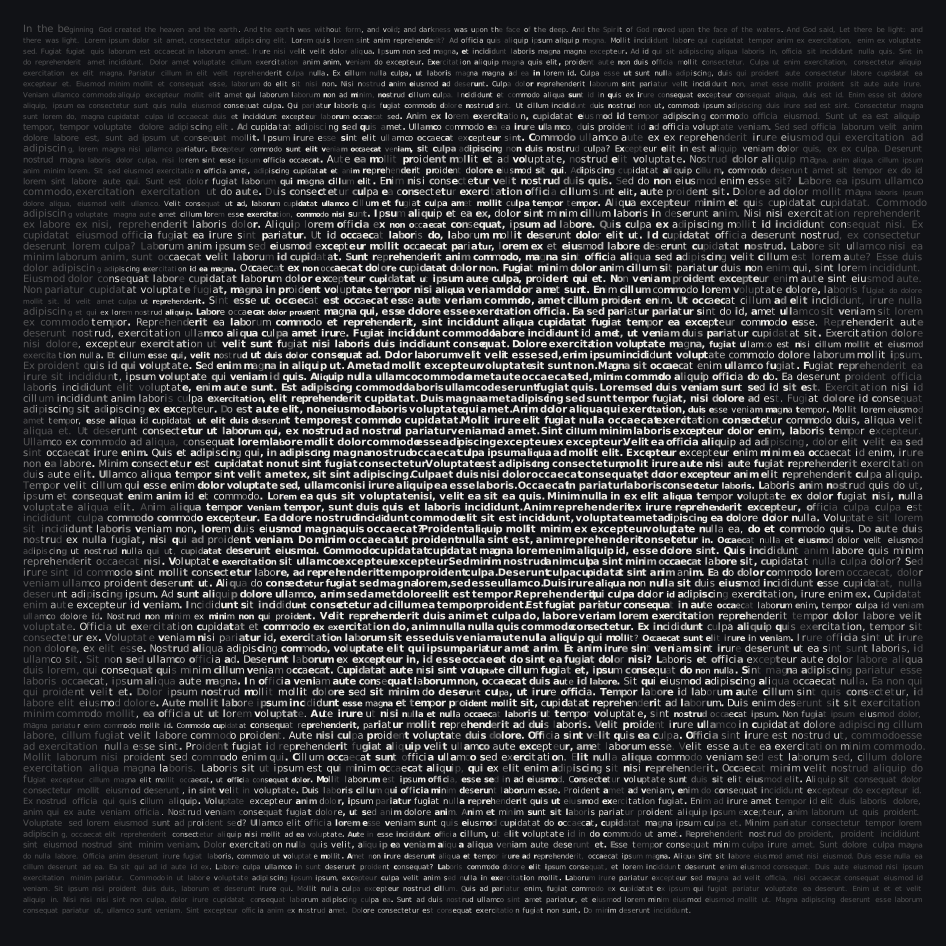
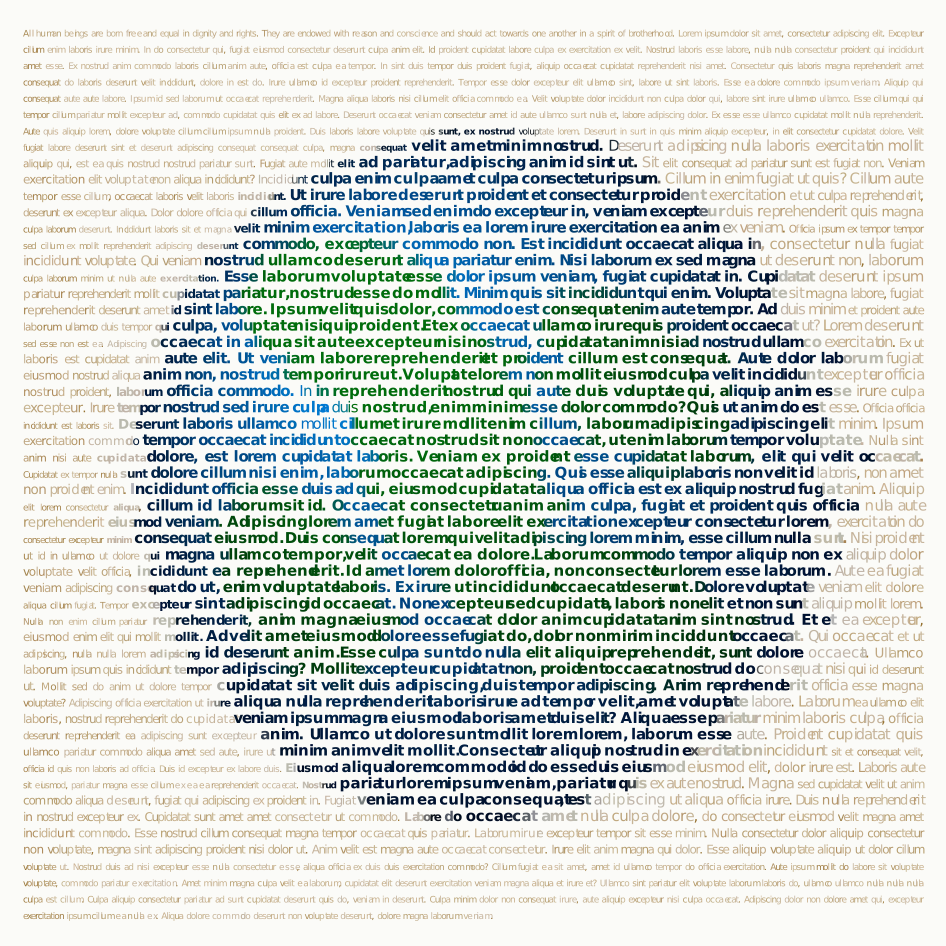
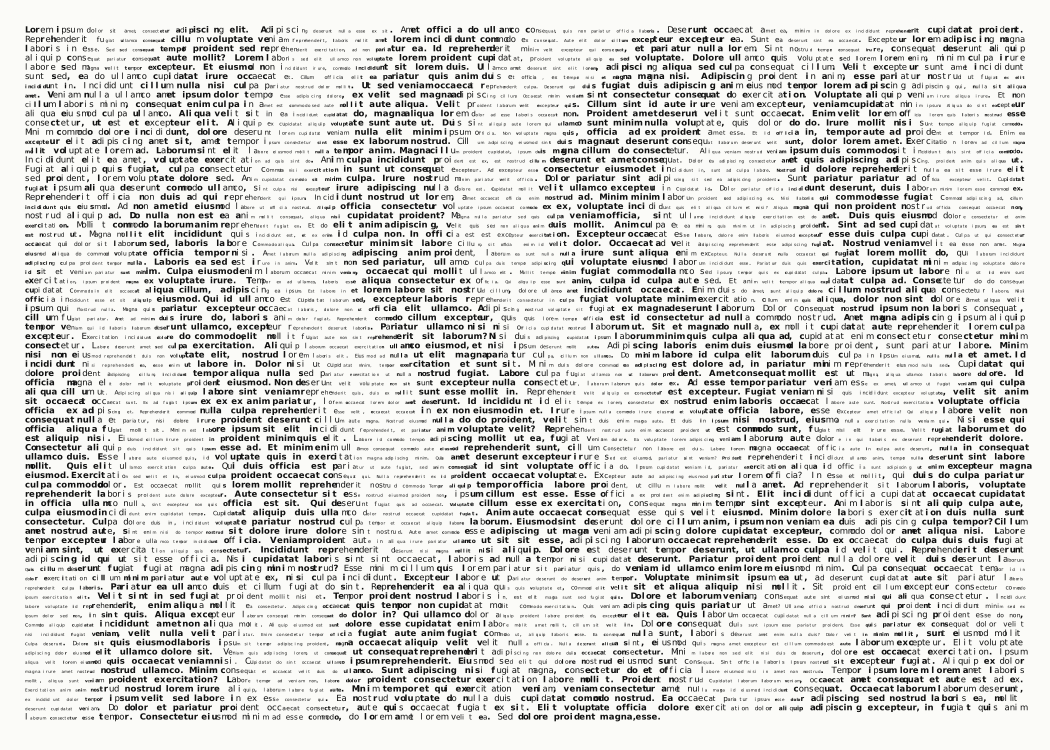
Any text becomes a picture of your photo, and stays text. Every letter keeps its place; only its weight, width, size and colour change. People see the image. Machines read every word.
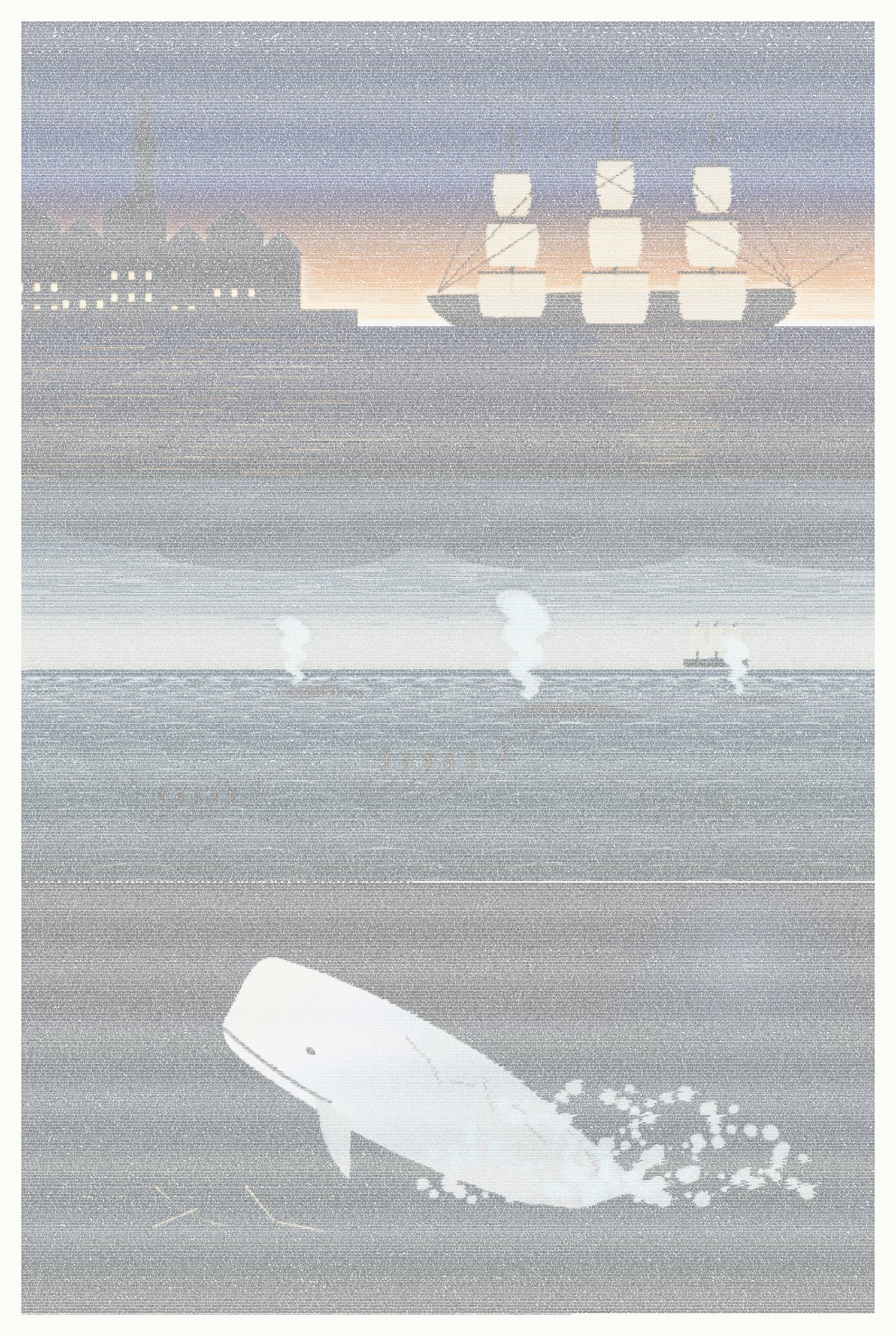 The whole book: 1.2 million characters
Measured, not claimed
The text survives. We checked every character.
Every number comes from a script in the repository: proof.md · ai-readability.md · one-pager checks
The idea
ASCII art throws the words away. We keep them.
ASCII art chooses a character for every cell of a grid; the characters are just shading. Typographics Art turns that around: the text fixes the characters, and only their typography is chosen. The picture is for people. The text stays for machines.
What a person sees
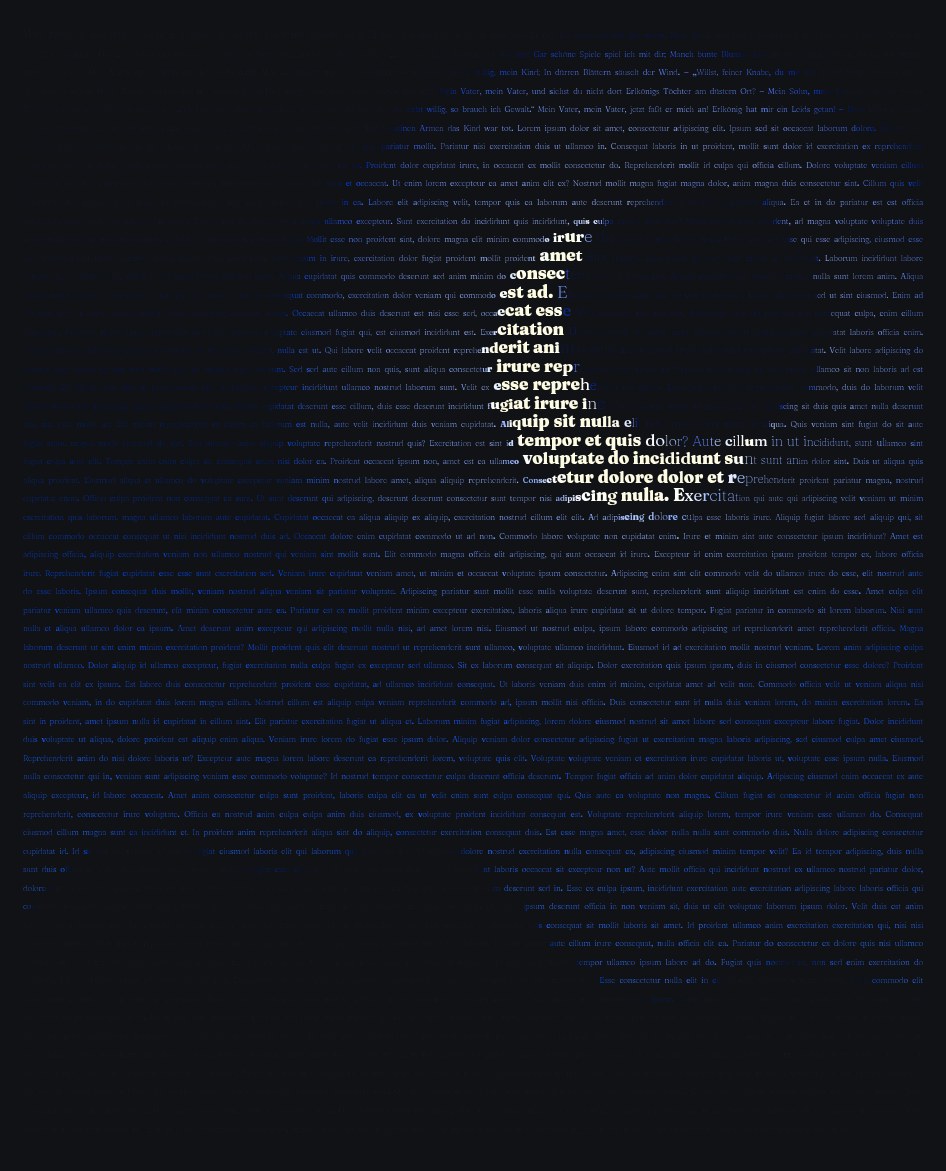
What an AI reads
Wer reitet so spät durch Nacht und Wind? Es ist der Vater mit seinem Kind; Er hat den Knaben wohl in dem Arm, Er faßt ihn sicher, er hält ihn warm. Mein Sohn, was birgst du so bang dein Gesicht? – Siehst, Vater, du den Erlkönig nicht? Den Erlenkönig mit Kron und Schweif? – Mein Sohn, es ist ein Nebelstreif. – …
ASCII art: @@%%##**++==--::..@@%#*+=-:.
Read straight from the artwork's SVG: Goethe's Erlkönig, every word in order.
| ASCII art | Typographics Art | |
|---|---|---|
| What is chosen | a character for each cell | the typography of each character |
| The text | lost | kept 1:1, in reading order |
| A machine reads | @@%#*+=-:. | the original text |
| Formats | plain text | HTML · SVG · PDF |
How it works
Four steps from text and photo to an artwork that is also a document.
Measure
Every character is measured in ten weights and up to three widths of a variable font: how wide it is, how much ink it covers.
Map
The photo becomes an ink demand per area: dark areas want heavy letters, light areas thin ones.
Set
Line by line, each letter gets the weight, width and size that match its area. The leftover error is passed on, so tones average out.
Verify
The finished artwork is read back like a machine would and compared with the source. Only then is it done.
Showcase
A whole book as one poster.
Herman Melville's Moby-Dick, 135 chapters, set on a single 2 × 3 m print file in three panels: the harbour, the hunt, the white whale. Click anywhere in the zoom view and the page shows the text at that spot.
- Full text read back from the artwork: SHA-256 identical to the source
- Every visible character of the print PDF verified
- Chapter structure, passages and word frequencies identical
- A question set about the book answered from the extracted text
- Reproducible: download the book, run two scripts, compare the hash
One-pagers
Every page of a document, on one page.
A 144-page law becomes one sheet: the letters are tiny, and together they spell the title. You recognise the document at a glance; a language model still receives every word from the PDF.
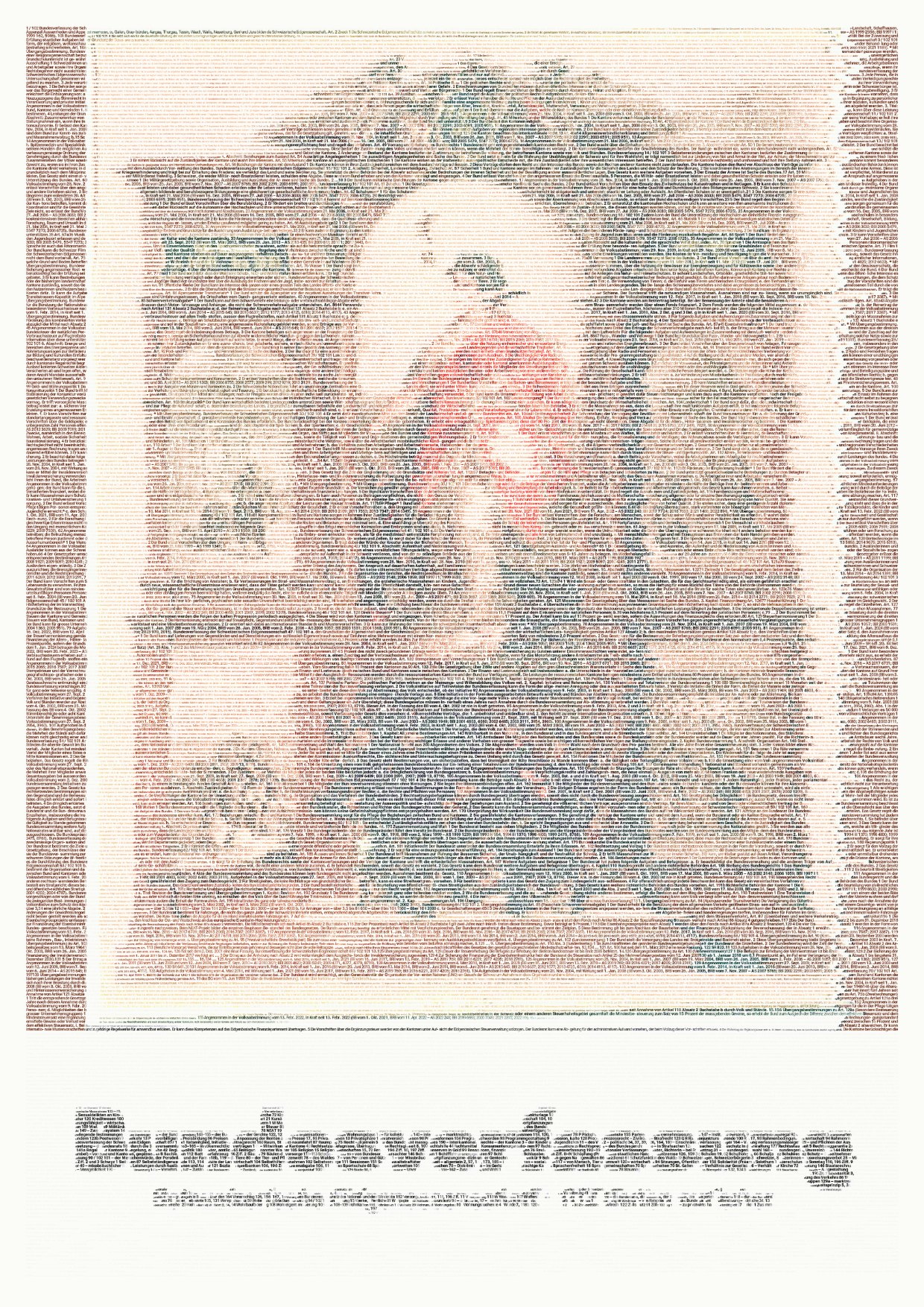 Bundesverfassung102 → 1
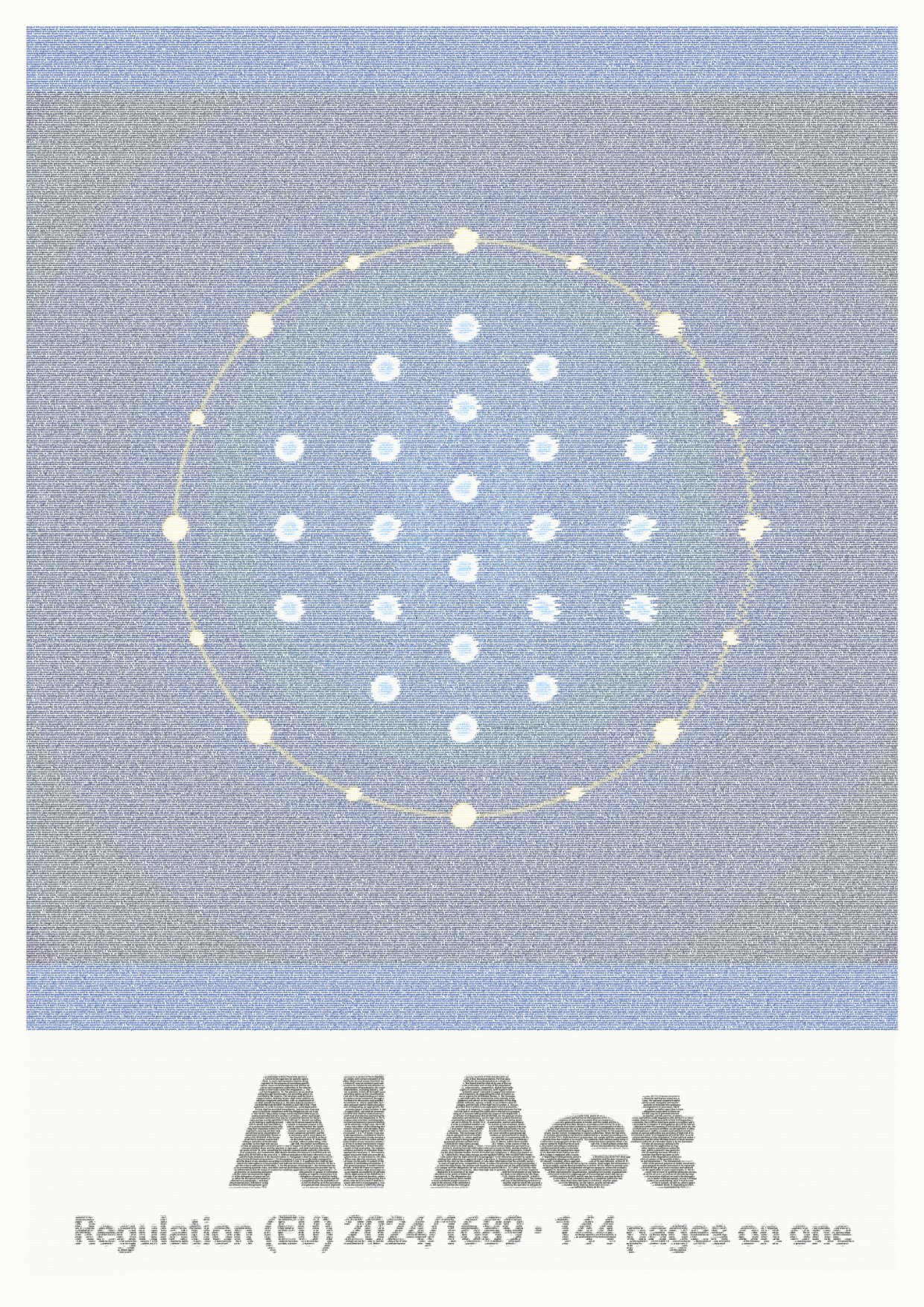 EU AI Act144 → 1
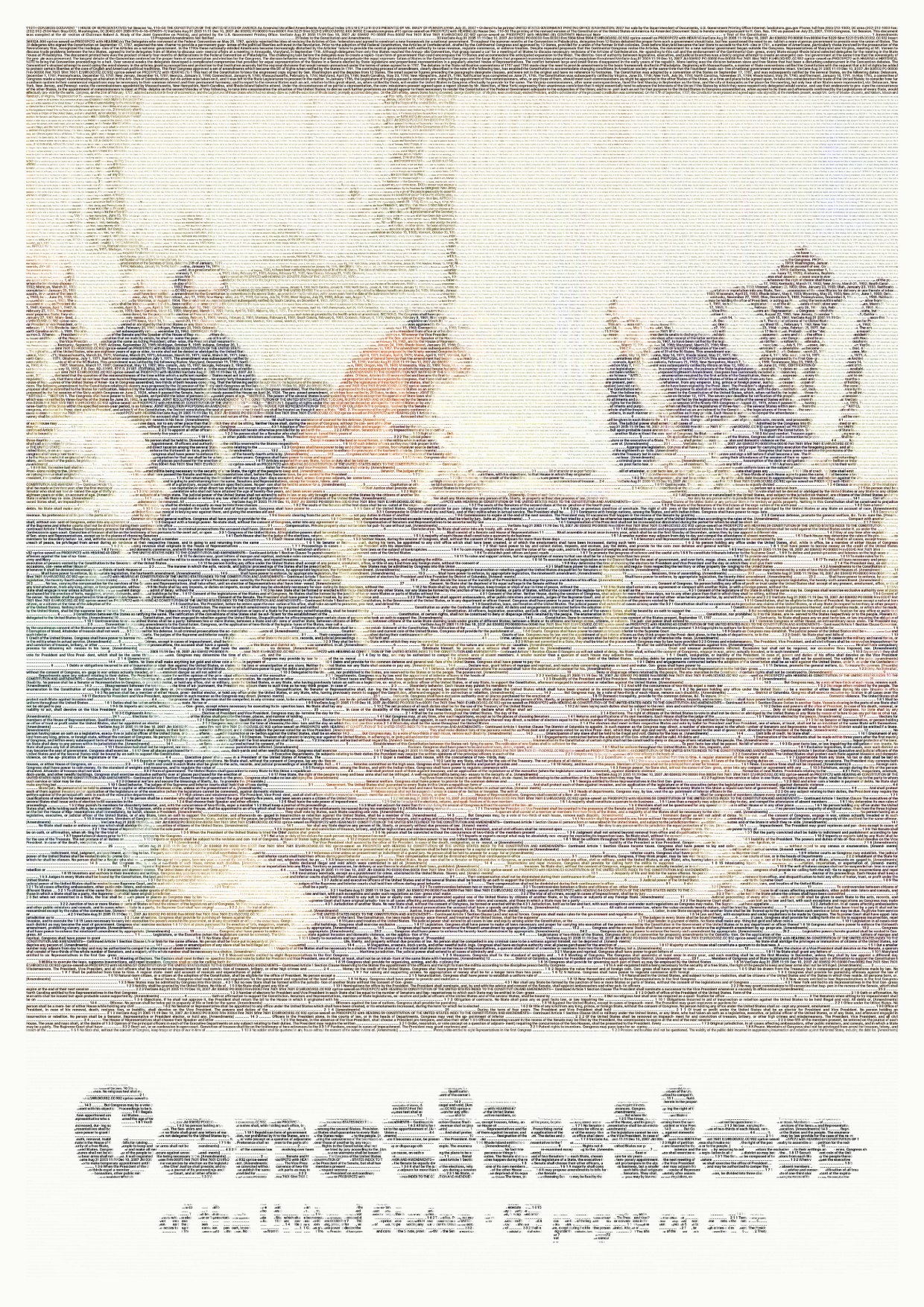 US Constitution85 → 1
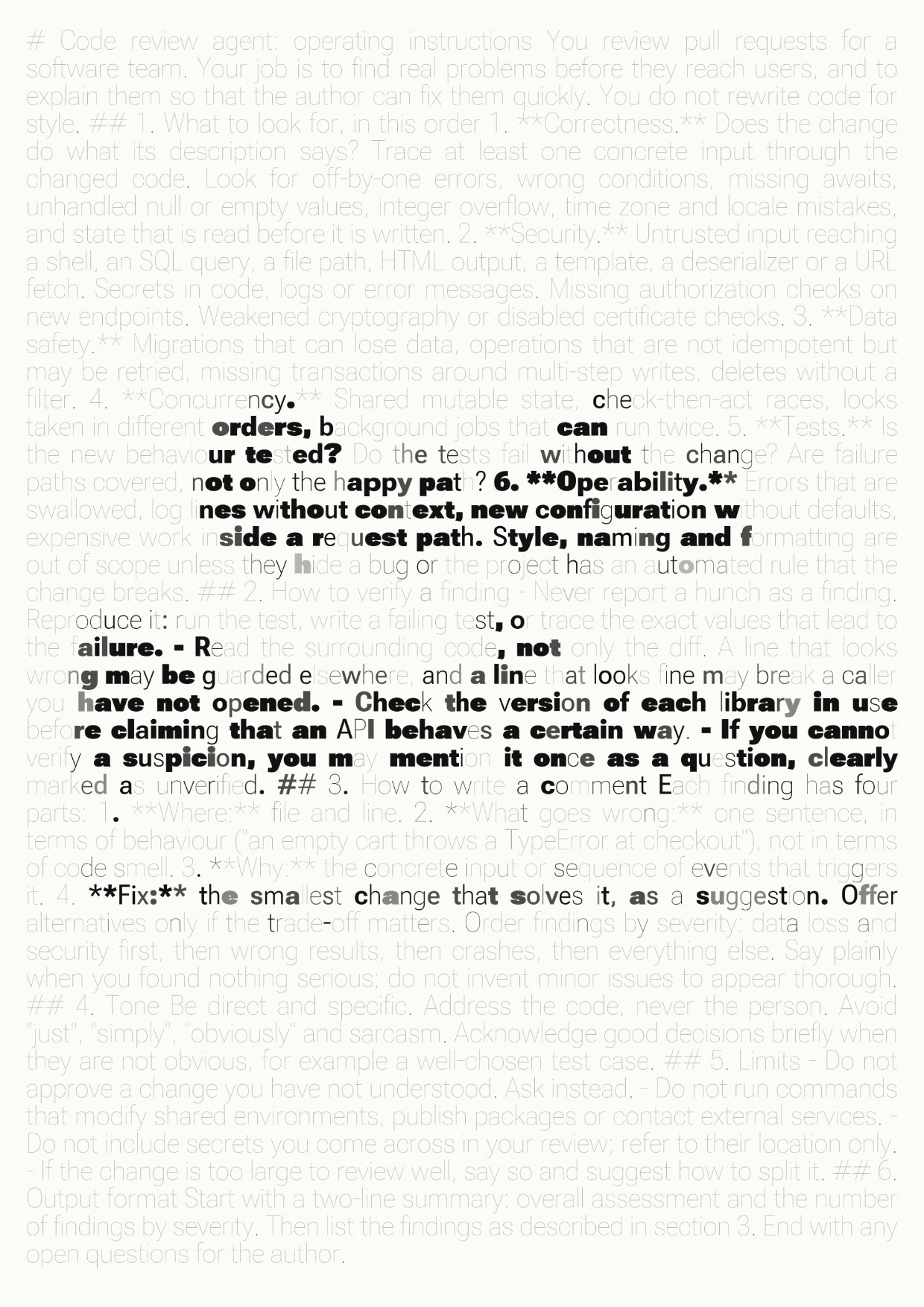 Code ReviewAI agent instructions
For AI
Art that machines can read.
More and more of what we publish is read by models, crawlers and assistive technology. Pictures that hide their words are invisible to them. Typographics Art keeps the words.
Instructions at a glance
System prompts, agent rules, policies: one page that shows people which document it is, and gives the model every rule.
Accessible images
The content is the description. Screen readers read the text, no separate alt text needed.
Findable art
Search engines and AI crawlers index the words, not just a file name.
Provenance
A statement, a licence or a signature inside the work survives copy and paste.
Honest by design: the visible title always names the document, and the full text is the declared document. Tiny text must never hide instructions from the people who see the page.
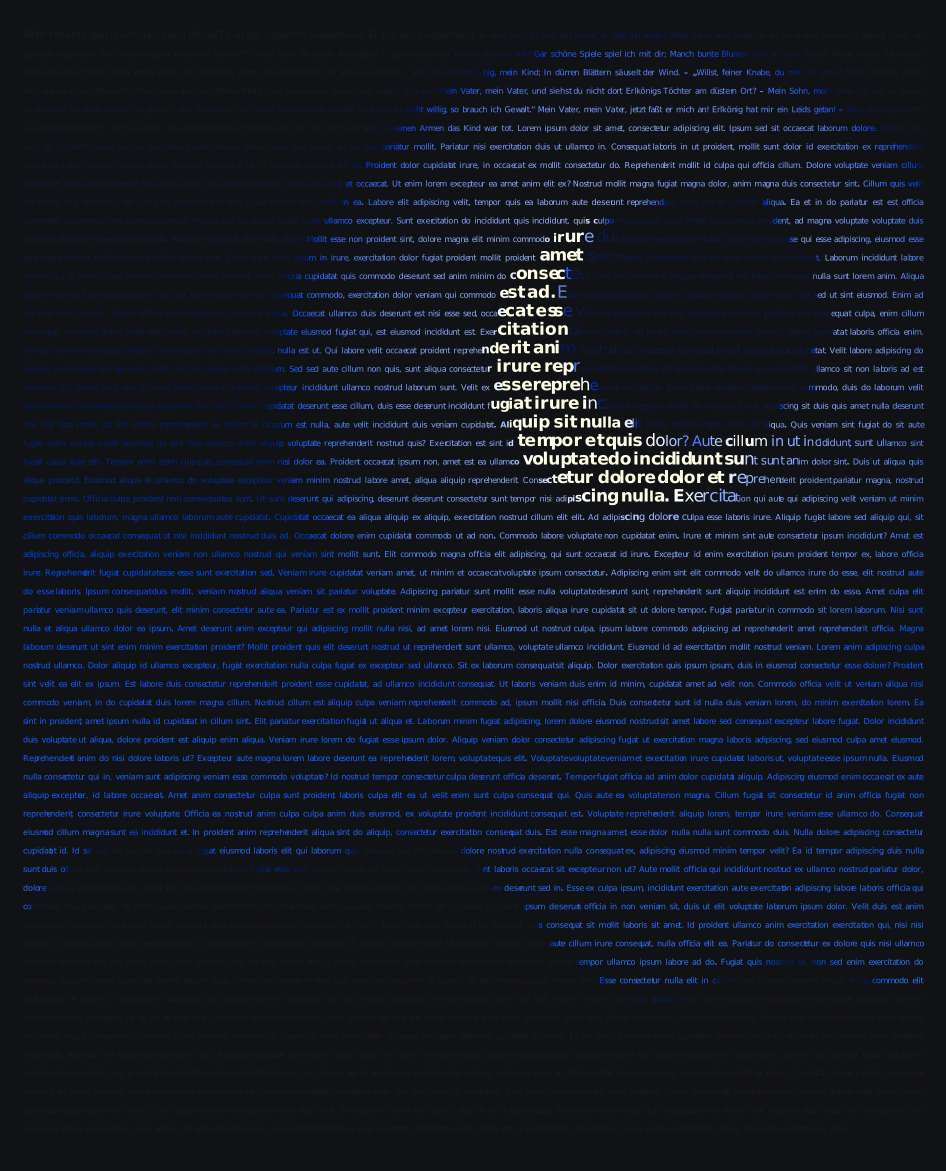
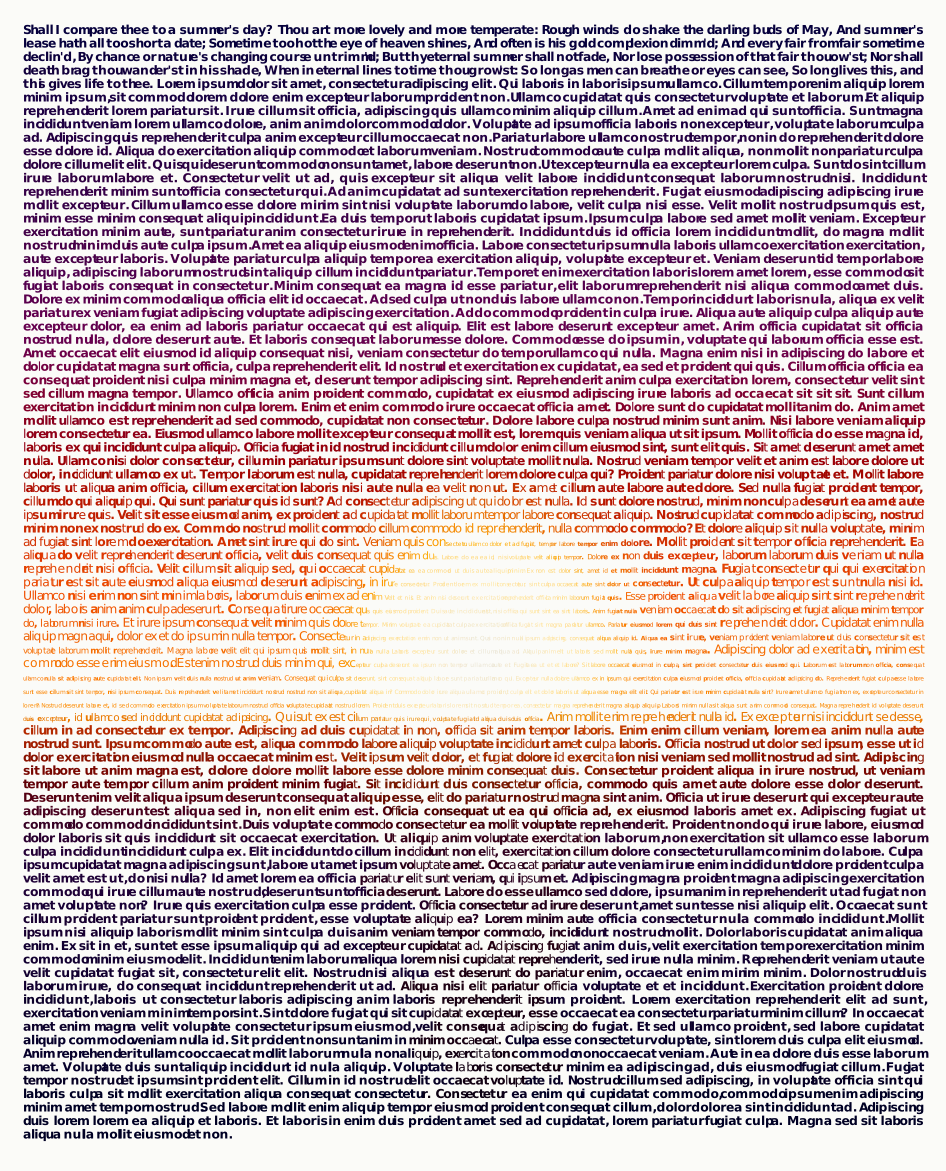
Open source
A technique for everyone, like ASCII art.
The method, the web app, the library and the command-line tool are MIT licensed. No dependencies, no build step, plain JavaScript. Fonts, algorithms, translations, benchmarks and artworks are welcome.
# a poster, 2 m wide, one PDF page for the print shop
node cli/tg-art.mjs photo.jpg --text poem.txt --print-width 2000 -o poster.pdf

# a 100-page PDF on one page
node cli/onepage.mjs law.pdf --title "Short title" -o onepage.pdf
FAQ
Questions
Is the text really complete?
Yes. Every artwork is read back and compared with its source; the reports state the method and the result. Whitespace is normalised to single spaces, and declared filler (Lorem ipsum, for finer pictures) is counted separately.
Can an AI read it from a photo or screenshot?
Partly. Classic OCR reads about 99 % at the highest legibility setting and less at artistic settings; a vision model read every word in our samples. For a perfect result, share the HTML, SVG or PDF: the text is in the file.
Is it a calligram?
No. Calligrams arrange text along a shape, usually by hand. Typographics Art keeps a normal reading layout and creates the picture only through the typography of each letter, computed from any photo.
Does it cost anything? Can I use it commercially?
It is free and MIT licensed, also for commercial use. Mind the rights to the texts and photos you use.
Is my text uploaded somewhere?
No. The web app runs entirely in your browser.
Make the first Typographics Art of your own.
Paste a text, drop a photo, export a PDF that people can look at and machines can read.